
All Courses
Business Courses

BSB10120 Certificate I in Workplace Skills
This qualification is designed for individuals who have not yet entered the workforce, and are developing the necessary skills in preparation for work. They may undertake a variety of simple tasks under close supervision. This qualification provides a range of introductory skills and knowledge to provide individuals with an understanding of the business environment.

BSB40520 Certificate IV in Leadership and Management
This qualification reflects the role of individuals working as developing and emerging leaders and managers in a range of enterprise and industry contexts. As well as assuming responsibility for their own performance, individuals at this level are likely to provide leadership, guidance and support to others. They may also have some responsibility for organising and monitoring the output of teams.

BSB41419 Certificate IV in Work Health and Safety
This qualification is suitable for people working in a Work Health and Safety (WHS) role who work to provide leadership and guidance to others and have some limited responsibility for the output of others.

BSB50820 Diploma of Project Management
This qualification reflects the role of individuals who apply project management skills and knowledge in a variety of contexts, across a number of industry sectors. The job roles that relate to this qualification may include Project Manager and Project Team Leader.

BSB51319 Diploma of Work Health and Safety
This qualification reflects the role of individuals coordinating and maintaining the work health and safety (WHS) program in an organisation. The qualification applies to supervisors and managers who apply a substantial knowledge base and well-developed skills in a wide variety of WHS contexts.

BSBESB402 Establish legal and risk management requirements of new business ventures
This unit describes the skills and knowledge required to identify and comply with legal and risk management requirements of the business or new business venture, including negotiating, creating and planning for legal contracts used within the business, where required. It applies to those establishing a business providing self-employment, as well as those establishing a new venture as part of a larger organisation.

BSBSUS211 Participate in sustainable work practices
This unit describes the skills andknowledge required to measure, support and find opportunities to improve the sustainability of work practices. It involves measuring sustainable work practices; supporting sustainable work practices; and seeking opportunities to improve sustainable work practices.

BSBWHS414 Contribute to WHS risk management
This unit describes the skills andknowledge required to contribute to the processes of identifying work health and safety (WHS) hazards, assessing WHS risks, and developing, implementing and evaluating risk controls according to legislative and organisational requirements. It applies to individuals who contribute to WHS risk management processes in their work role in a range of industry and workplace contexts.

BSBWHS416 Contribute to workplace incident response
This unit describes the skills and knowledge required to assist with actions and activities performed in response to workplace incidents according to work health and safety (WHS) legislative and organisational requirements.

Management Cluster
This course is designed to encourage graduates to thrive in leadership and management roles across various sectors while promoting sustainable practices for organisational success.

Women in Leadership Cluster
This course is designed to encourage women to thrive in leadership and management roles across various sectors while promoting sustainable practices for organisational success.
Construction

AHC30921 Certificate III in Landscape Construction
Individuals with this qualification perform tasks under broad supervision involving a broad range of skills that are applied in a wide variety of contexts. Discretion and judgement in selecting and operating equipment, coordinating resources and applying contingency measures during work.
BSB40520 Certificate IV in Leadership and Management
This qualification reflects the role of individuals working as developing and emerging leaders and managers in a range of enterprise and industry contexts. As well as assuming responsibility for their own performance, individuals at this level are likely to provide leadership, guidance and support to others. They may also have some responsibility for organising and monitoring the output of teams.
BSB41419 Certificate IV in Work Health and Safety
This qualification is suitable for people working in a Work Health and Safety (WHS) role who work to provide leadership and guidance to others and have some limited responsibility for the output of others.
BSB50820 Diploma of Project Management
This qualification reflects the role of individuals who apply project management skills and knowledge in a variety of contexts, across a number of industry sectors. The job roles that relate to this qualification may include Project Manager and Project Team Leader.
BSB51319 Diploma of Work Health and Safety
This qualification reflects the role of individuals coordinating and maintaining the work health and safety (WHS) program in an organisation. The qualification applies to supervisors and managers who apply a substantial knowledge base and well-developed skills in a wide variety of WHS contexts.
BSBESB402 Establish legal and risk management requirements of new business ventures
This unit describes the skills and knowledge required to identify and comply with legal and risk management requirements of the business or new business venture, including negotiating, creating and planning for legal contracts used within the business, where required. It applies to those establishing a business providing self-employment, as well as those establishing a new venture as part of a larger organisation.
BSBSUS211 Participate in sustainable work practices
This unit describes the skills andknowledge required to measure, support and find opportunities to improve the sustainability of work practices. It involves measuring sustainable work practices; supporting sustainable work practices; and seeking opportunities to improve sustainable work practices.
BSBWHS414 Contribute to WHS risk management
This unit describes the skills andknowledge required to contribute to the processes of identifying work health and safety (WHS) hazards, assessing WHS risks, and developing, implementing and evaluating risk controls according to legislative and organisational requirements. It applies to individuals who contribute to WHS risk management processes in their work role in a range of industry and workplace contexts.
BSBWHS416 Contribute to workplace incident response
This unit describes the skills and knowledge required to assist with actions and activities performed in response to workplace incidents according to work health and safety (WHS) legislative and organisational requirements.

Builder – Low Rise Site Supervisor Skill Set
This course is designed for individuals aiming to work in supervisory roles in the building industry, specifically those looking to oversee and manage low rise building projects.

Builder – Medium Rise Site Supervisor Skill Set
This course is designed for individuals aiming to work in supervisory roles in the building industry, specifically those looking to oversee and manage medium rise building projects.

Builder – Open Site Supervisor Skill Set
This course is designed for individuals aiming to work in supervisory roles in the building industry, specifically those looking to oversee and manage all building project types.

Builder Restricted – Site Supervisor Skill Set
This course is designed for individuals aiming to work in supervisory roles in the building industry, specifically those looking to oversee and manage projects, including: Kitchen, bathroom and laundry installation; Shopfitting; Special structures (shade sails) or (signs); Structural landscaping

Builder Restricted – Contractor and Nominee Supervisor Skill Set
This course is designed for those looking to oversee and manage building projects, as well as being able to enter into building contracts directly with clients.

CPC10126 Certificate I in Construction
This qualification provides an introduction to the construction industry, its culture, occupations, job roles and workplace expectations. The units of competency cover essential work health and safety requirements, the industrial and work organisation structure, communication skills, work planning, and basic use of tools and materials. The qualification is built around a basic construction project unit that integrates the skills and embeds the facets of employability skills in context.

CPC20220 Certificate II in Construction Pathways
This qualification reflects the roles of individuals working in the resources and infrastructure industries who perform mainly routine tasks and procedures, using limited practical skills and fundamental operational knowledge, and taking some responsibility for the quality of the work outcomes.

CPC30220 Certificate III in Carpentry
This qualification is designed for persons seeking recognition as a qualified carpenter. It covers work in residential and commercial applications.

CPC30320 Certificate III in Concreting
This qualification is designed to meet the needs of concreters working in concreting operations on residential and commercial projects. This qualification is suitable for an Australian Traineeship.

CPC30720 Certificate III in Rigging
This qualification provides a trade outcome in rigging in the construction industry. Rigging is the art of using cranes and other mechanical or manual load shifting equipment and gear to assemble/disassemble steel structures, move and place precast concrete items, move and place plant and equipment, and set up or dismantle cranes and hoists.
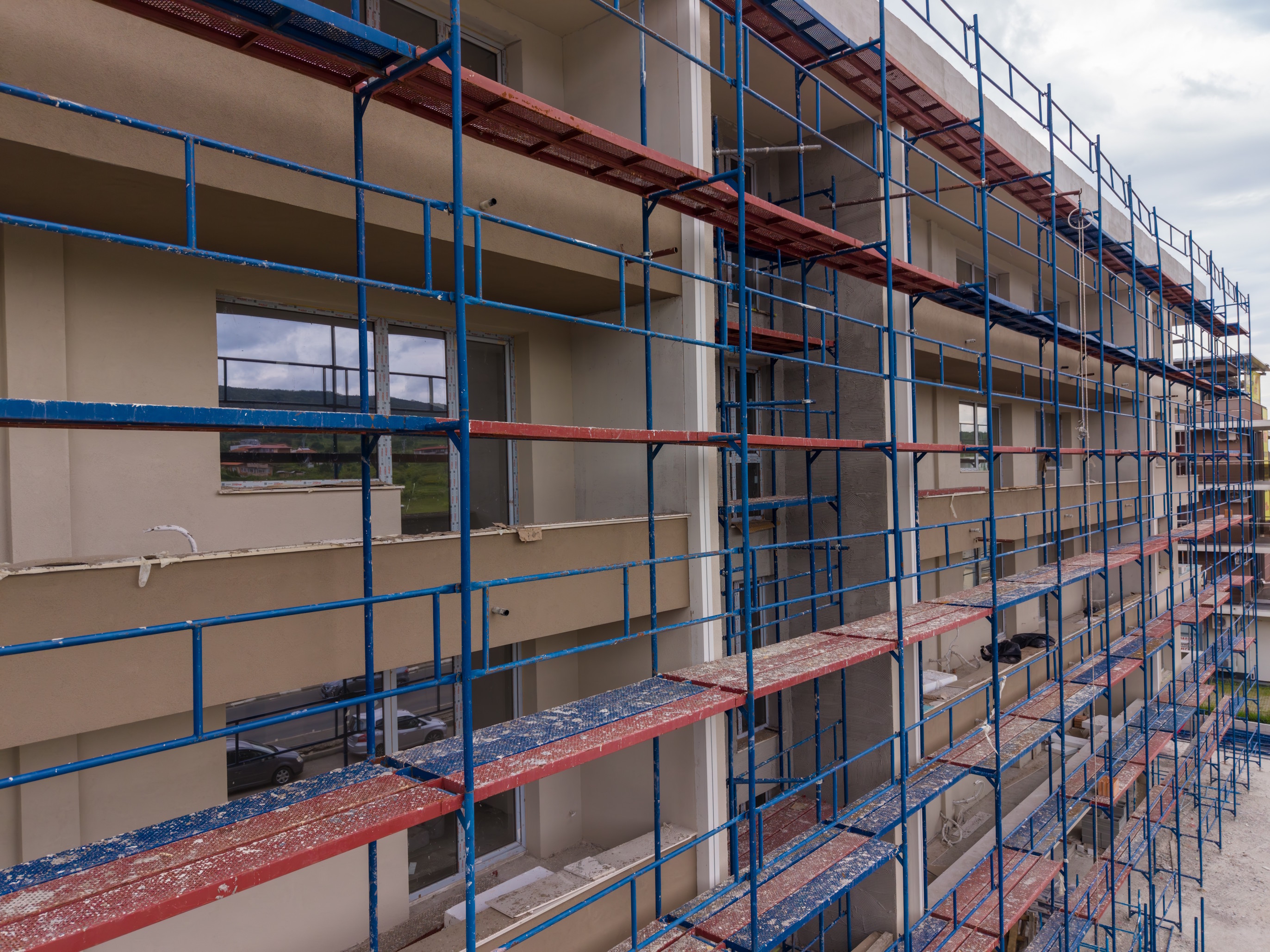
CPC30920 Certificate III in Scaffolding
Scaffolding is the temporary framework used to support people and material in the construction or repair of buildings and other large structures. It is usually a modular system of metal pipes or formed steel. A scaffolder should be able to plan and prepare for work, erect scaffolding/equipment safely, inspect/repair/alter scaffolding/equipment, and dismantle scaffolding/equipment safely.

CPC31120 Certificate III in Steelfixing
This qualification provides a trade outcome in steelfixing in the construction industry. Steelfixers fit and secure the steel bars and mesh used to reinforce concrete on construction and engineering sites. They work on a wide variety of jobs including commercial and industrial developments, multi-storey housing, and civil engineering projects (e.g. road works, tunnels and bridges).

CPC40120 Certificate IV in Building and Construction
This qualification reflects the role of builders, site managers and managers of small to medium-sized building businesses who apply knowledge of structural principles, codes, standards and legal requirements to Class 1 and 10, to a maximum of two storeys and Class 2 to 9 Type C constructions, and who plan and supervise safe building and construction work, prepare and administer contracts, and who apply quality principles to building and construction projects.

CPC40320 Certificate IV in Building Project Support
This qualification is designed to meet the needs of estimators and schedulers and or contract administrators in the building and construction field who may have responsibility for the preparation of estimates from predetermined rates, processing of subcontractor claims and preparation of head and subcontracts for building and construction works.

CPC50220 Diploma of Building and Construction (Building)
This qualification reflects the role of building professionals who apply knowledge of structural principles, risk and financial management, estimating, preparing and administering building and construction contracts, selecting contractors, overseeing the work and its quality and managing construction work in building projects including residential and commercial.

CPC60220 Advanced Diploma of Building and Construction (Management)
This qualification is designed to meet the needs of builders or senior managers within the building and construction industry who apply knowledge of building, construction and sustainability systems and processes, structural principles, codes, standards and legal obligations to construction projects including high rise.

CPCCCM2004 Handle construction materials
This unit of competency specifies the skills and knowledge required to safely handle and store commonly used construction materials manually or in preparation for mechanical handling.

CPCCCM2010 Work safely on scaffolding higher than two metres
This unit of competency specifies the outcomes required to work safely on construction sites where the work activity involves working above two metres from ground level and where fall protection measures are required. It covers safe methods for accessing the work site; and safe methods of moving or passing tools, equipment and materials to heights above two metres, including handling methods that avoid excessive bending or twisting.

CPCCCM2012 Work safely at heights
This unit specifies the skills and knowledge required to work safely on construction sites where the worker has the potential to fall from one level to another.
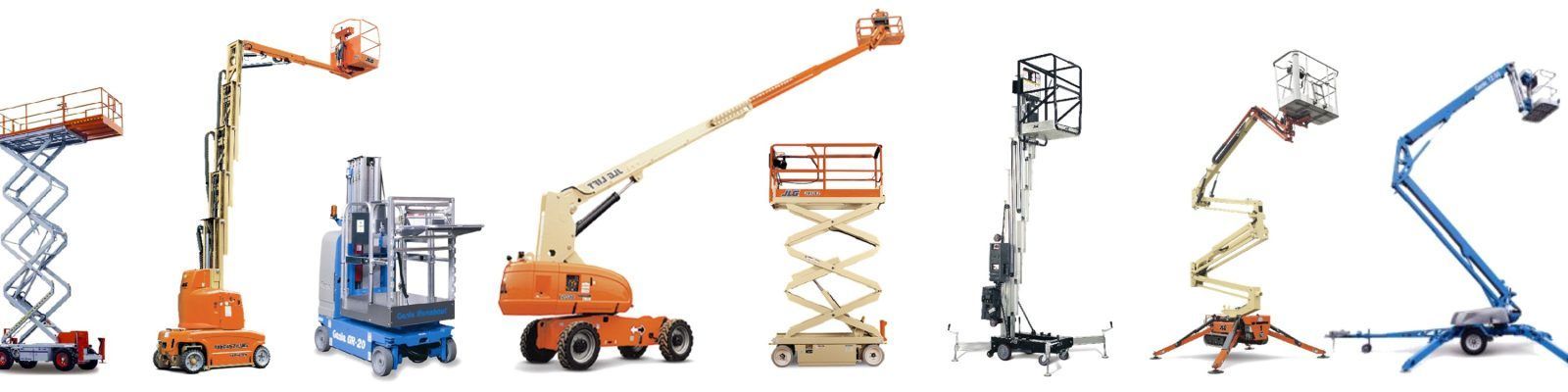
CPCCCM3001 Operate elevated work platforms up to 11 metres
This course specifies the outcomes required to operate specific types of elevated work platforms (EWPs) safely and effectively in different locations, including on uneven terrain. The unit includes locating, setting up, operating and shutting down scissor lifts and self-propelled boom lifts with a boom length under 11 metres. It applies to construction work on residential and commercial work sites in new construction, renovation or refurbishment, and maintenance projects.

CPCCLDG3001 Licence to perform dogging
This course describes the skills and knowledge required to conduct telescopic materials handler operations. It covers planning to perform tasks, and following established requirements to operate a telescopic materials handler.

CPCCLHS3001 Licence to operate a personnel and materials hoist
This course covers the skills and knowledge required to safely operate a personnel and materials hoist – including planning task, selecting and preparing equipment, conducting hoist operations, and the safe and secure shutdown of equipment after completing operations.

CPCCLRG3001 Licence to perform rigging basic level
This course covers the skills and knowledge required to safely perform basic rigging work. Rigging work is undertaken in construction and other industries where load shifting equipment is used to move, place or secure loads. Riggers use mechanical load shifting equipment and associated gear to move, place or secure loads, including plant, equipment or members of a structure. Riggers ensure the stability of those members and set up and dismantle hoists.
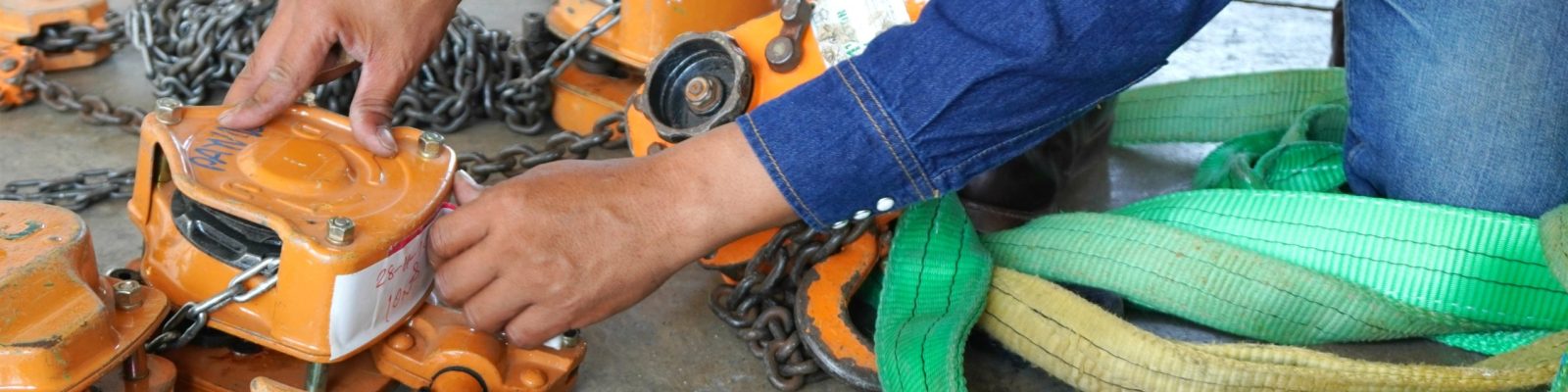
CPCCLRG3002 Licence to perform rigging intermediate level
This course covers the skills and knowledge required to safely perform intermediate rigging work. Rigging work is undertaken in construction and other industries where load shifting equipment is used to move, place or secure loads. Riggers use mechanical load shifting equipment and associated gear to move, place or secure loads, including plant, equipment or members of a structure. Riggers ensure the stability of those members and set up and dismantle hoists.

CPCCLSF2001 Licence to erect, alter and dismantle scaffold basic level
This course covers the skills and knowledge required to undertake basic scaffolding – including planning task, selecting and inspecting plant and equipment, setting up task, and erecting/dismantling scaffold and scaffold equipment (e.g. modular or pre-fabricated scaffolds, cantilevered materials hoists with a maximum working load of 500kg, ropes and gin wheels, safety nets and static lines, and bracket scaffolds).

CPCCLSF3001 Licence to erect, alter and dismantle scaffolding intermediate level
This course covers the skills and knowledge required to undertake intermediate scaffolding – including planning task, selecting and inspecting plant and equipment, setting up tasks, and erecting/dismantling scaffold and scaffold equipment (e.g. cantilevered craneloading platforms, cantilevered and spurred scaffolds, barrow ramps and sloping platforms, perimeter safety screens and shutters, mast climbers, and tube and coupler scaffolds).

CPCCLSF4001 Licence to erect, alter and dismantle scaffolding advanced level
This course covers the skills and knowledge required to undertake advanced scaffolding work – including planning task, selecting and inspecting plant and equipment, setting up tasks, and erecting/dismantling scaffold and scaffold equipment (e.g. cantilevered hoists; hung scaffolds, including scaffolds hung from tubes, wire ropes or chains; and suspended scaffolds).
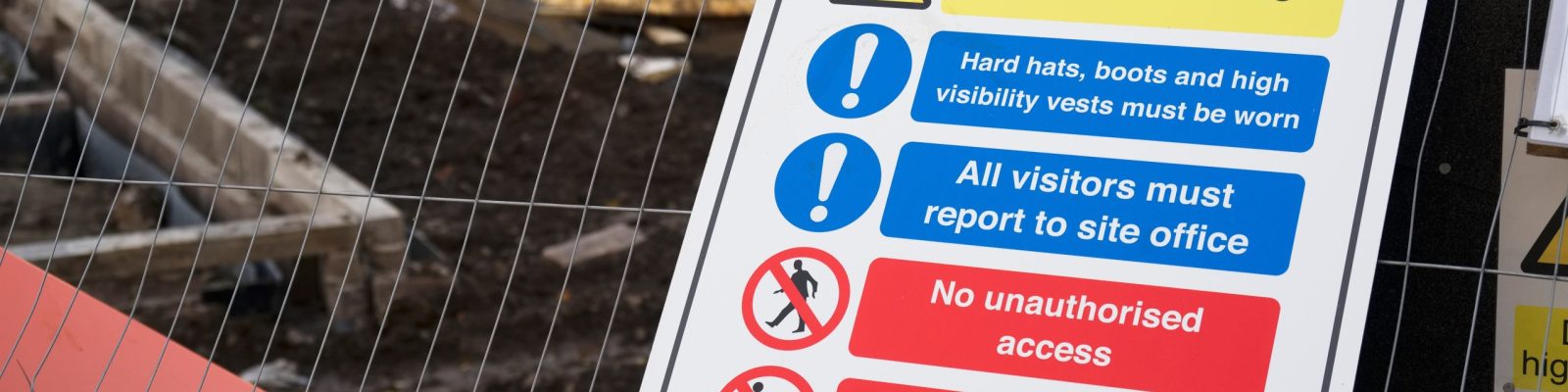
CPCCWHS2001 Apply WHS requirements, policies and procedures in the construction industry
This unit specifies the outcomes required to carry out work health and safety (WHS) requirements through safe work practices in all on- or off-site construction workplaces. It requires the performance of work in a safe manner through awareness of risks and work requirements, and the planning and performance of safe work practices with concern for personal safety and the safety of others.

CPCWHS1001 Prepare to work safely in the construction industry (White Card)
This course specifies the mandatory work health and safety training required prior to undertaking construction work – it must be completed before entering a building and construction work site.

CSQ Infrastructure Ready
The Infrastructure Ready program is tailored to prepare individuals for entry-level careers in the civil construction industry. Designed with a strong emphasis on job readiness, safety, communication, and hands-on experience, this program bridges the gap between training and real-world industry expectations.

First Aid Cluster
This course intends to provide participants with the skills and knowledge necessary to effectively respond to emergency situations by sustaining/restoring breathing and circulation to an adult, child or infant, and providing First Aid.

Mobile Plant Operations (Various)
These courses cover the skills and knowledge to plan and prepare for mobile plant operations, operate plant in line with requirements, use attachments (if applicable), relocate mobile plant and conduct housekeeping activities.

MSMWHS217 Gas test atmospheres
This course covers the skills and knowledge required to test the working atmosphere, using electronic test apparatus, to find out if it is safe for the proposed work. It applies to situations where an individual may be required to carry out gas testing of an atmosphere prior to entering a specific area or workspace. The course requires the person to interpret readings and take actions based on the interpretation.

NAT11462001 Use swing stage scaffolds safely
This course is intended to provide learners with the knowledge and skills to perform the functions associated with the use of swing stage scaffolds, including planning the job; conducting routine checks; conducting swing stage operations; and shutting down and securing the swing stage.

RII20120 Certificate II in Resources and Infrastructure Work Preparation
This qualification reflects the roles of individuals working in the resources and infrastructure industries who perform mainly routine tasks and procedures, using limited practical skills and fundamental operational knowledge, and taking some responsibility for the quality of the work outcomes.

RII20720 Certificate II in Civil Construction
This qualification reflects the role of individuals working in an operational role in civil construction, who undertake a prescribed range of tasks using limited practical skills and fundamental knowledge, in a defined context working under supervision.

RII30820 Certificate III in Civil Construction Plant Operations
This qualification reflects the role of a skilled plant operator working in the civil construction industry. This qualification is eligible for an Australian Apprenticeship.

RII30920 Certificate III in Civil Construction – Streams 1, 2, 3, and 4
This qualification reflects the role of a skilled operator working in civil construction, who applies a broad range of skills in a varied work context, using some discretion and judgement and relevant theoretical knowledge.
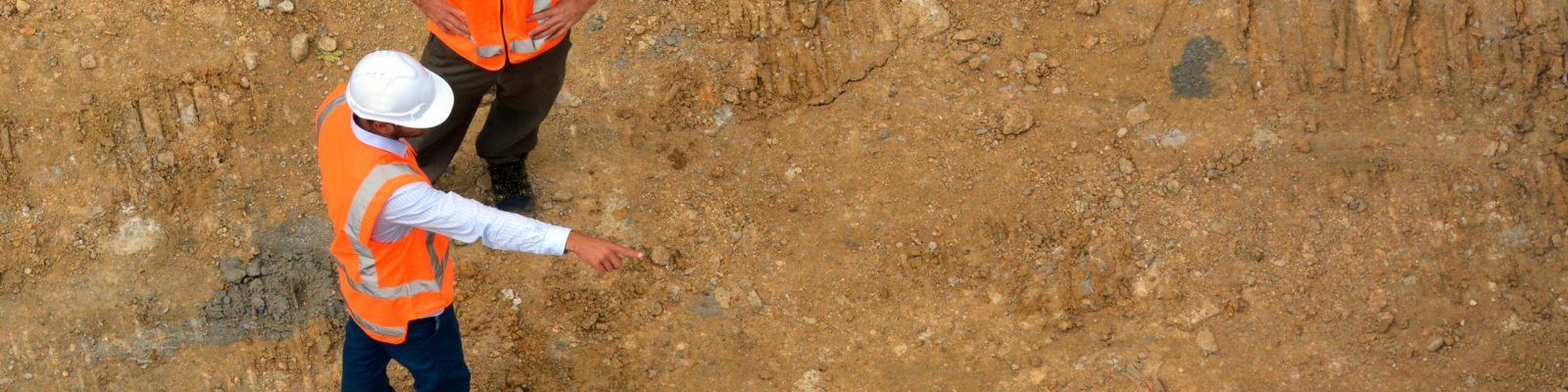
RII40720 Certificate IV in Civil Construction
This qualification reflects the role of individuals working in supervisory and technical specialist positions in civil construction. They perform tasks involving a broad range of varied work activities most of which are specialised and within known or changing contexts. They are responsible for the quantity and quality of their own work, as well as for the output of others. They contribute to the development of technical solutions to non-routine problems.

RII50420 Diploma of Civil Construction Management
This qualification reflects the role of individuals working on a single or a group of civil construction sites, who perform tasks involving a high level of autonomy and require the application of significant judgement in planning and determining the selection of equipment, roles and techniques for themselves and others. They are required to develop site specific work instructions and practices to ensure the implementation of the site management systems, plans and policies. They demonstrate the application of a broad range of technical, managerial, coordination and planning skills.
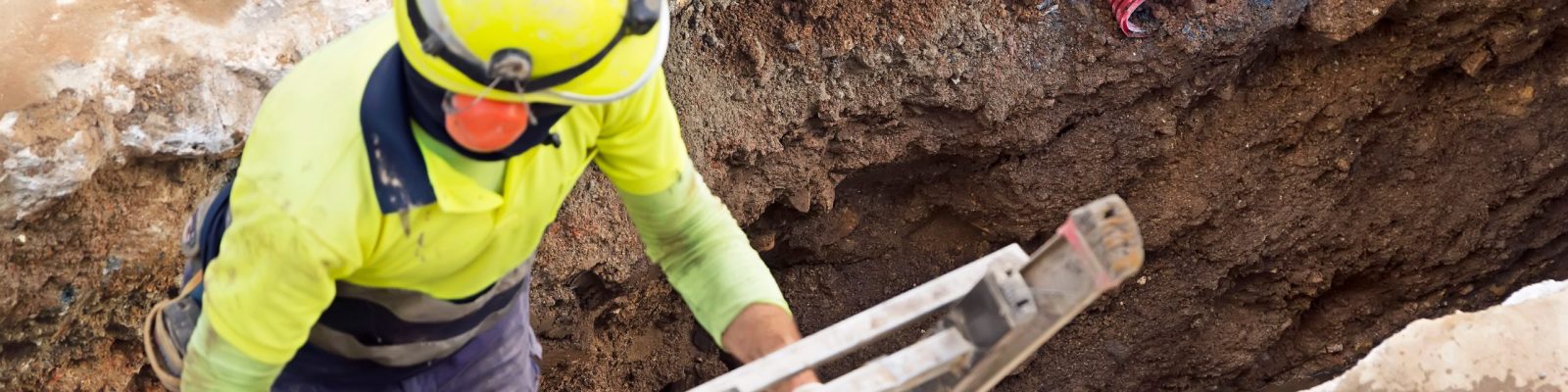
RIICCM202E Identify, locate and protect underground services
This unit describes the skills and knowledge required to identify, locate and protect underground services in civil construction. It applies to those working in operational roles and overseeing construction work.
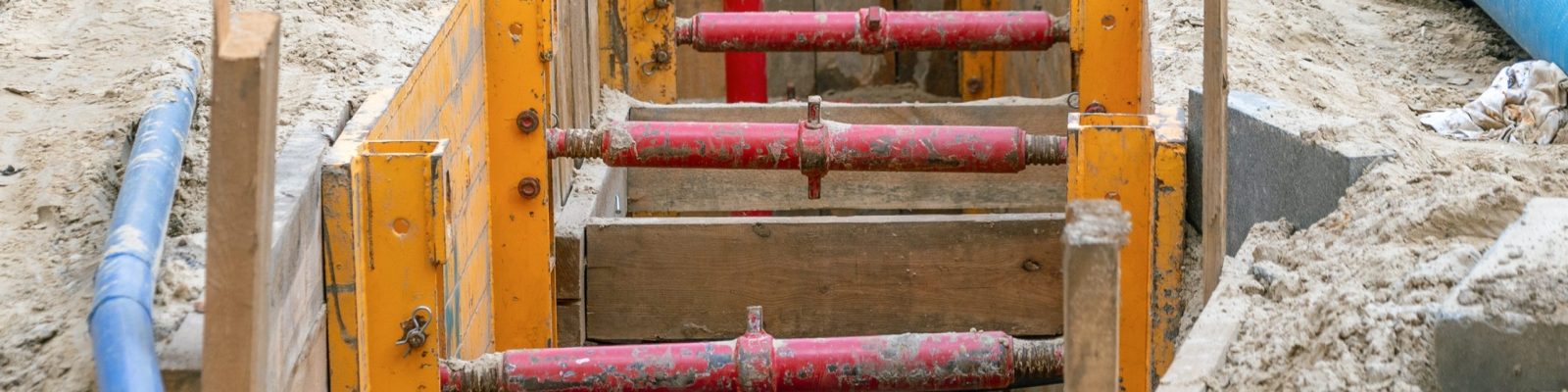
RIICCM210E Install trench support
This unit describes the skills and knowledge required to install trench support in civil construction, including both installing and removing trench shoring.

RIICOM301E Communicate information
This unit describes the skills and knowledge required to communicate information to complete work activities within the mining, drilling and civil infrastructure industry.
It includes planning and preparing for and conducting communication via a number of different methods to ensure work activities are understood.

RIIHAN301E Operate elevating work platform
This unit involves the skills and knowledge required to operate a boom type elevating work platform less than 11 metres boom length, in accordance with relevant state/territory licence/permit requirements and regulations, in a variety of operational contexts.
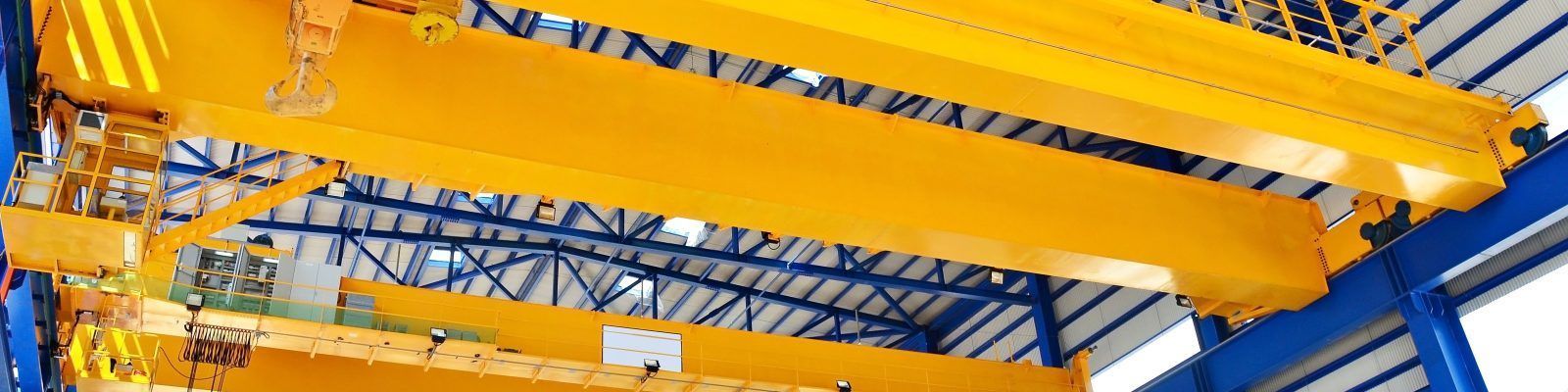
RIIHAN305D Operate a gantry or overhead crane
This unit describes a participant’s skills and knowledge required to operate a gantry or overhead crane, including planning and preparing and performing operational servicing. This unit is appropriate for those working in site-based roles.

RIIHAN307E Operate a vehicle loading crane
This unit describes the skills and knowledge required to operate, maintain and shift loads using a vehicle loading crane. This unit applies to those working in site-based roles.

RIIHAN308F Load and unload plant
This unit describes the skills and knowledge required to load and unload plant. It covers planning to perform tasks, and following established requirements to load and unload plant.

RIIHAN309F Conduct telescopic materials handler operations
This course describes the skills and knowledge required to conduct telescopic materials handler operations. It covers planning to perform tasks, and following established requirements to operate a telescopic materials handler.

RIIRIS301E Apply risk management processes
This unit describes the skills and knowledge required to apply risk management processes in the mining, drilling and civil infrastructure industry. This unit applies to individuals who contribute to applying risk management processes as part of their responsibilities. This could be an employer, line manager, supervisor, safety representative or employee. This unit applies to those who carry out or assist in carrying out risk assessment in the workplace.

RIISAM203E Use hand and power tools
This unit describes the skills and knowledge required to use hand and power tools in the resources and infrastructure industries.

RIISAM204E Operate small plant and equipment
This unit describes the skills and knowledge required to operate small plant and equipment in the resources and infrastructure industries. It applies to those working in operational roles.

RIIWHS202E Enter and work in confined spaces
This course addresses the requirements associated with entering and working in confined spaces in the construction, infrastructure, mining and maintenance industries. It covers planning and preparation, plus entering, working within and exiting confined spaces.

RIIWHS204E Work safely at heights
This course covers working safely at heights in the construction and infrastructure industries. It covers identifying the work requirements, work procedures and instructions for the task; accessing and installing equipment; performing work at heights; and cleaning up the work area.
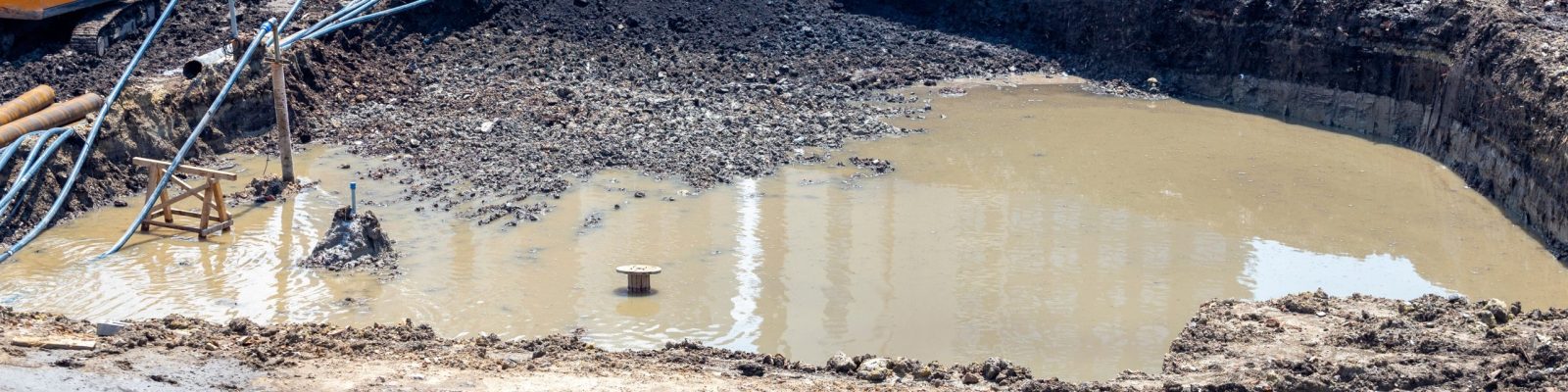
RIIWMG203E Drain and dewater civil construction sites
This unit describes the skills and knowledge required to drain and dewater civil construction sites. This includes establishing sedimentation controls, constructing sumps, installing surface or submersible pumps, and draining surface water using surface drains.

TLID0020 Shift materials safely using manual handling methods
This course involves the skills and knowledge required to shift loads safely using manual handling methods. It includes assessing the risks associated with relocating the load, planning the relocation process and carrying out the relocation in accordance with the plan.
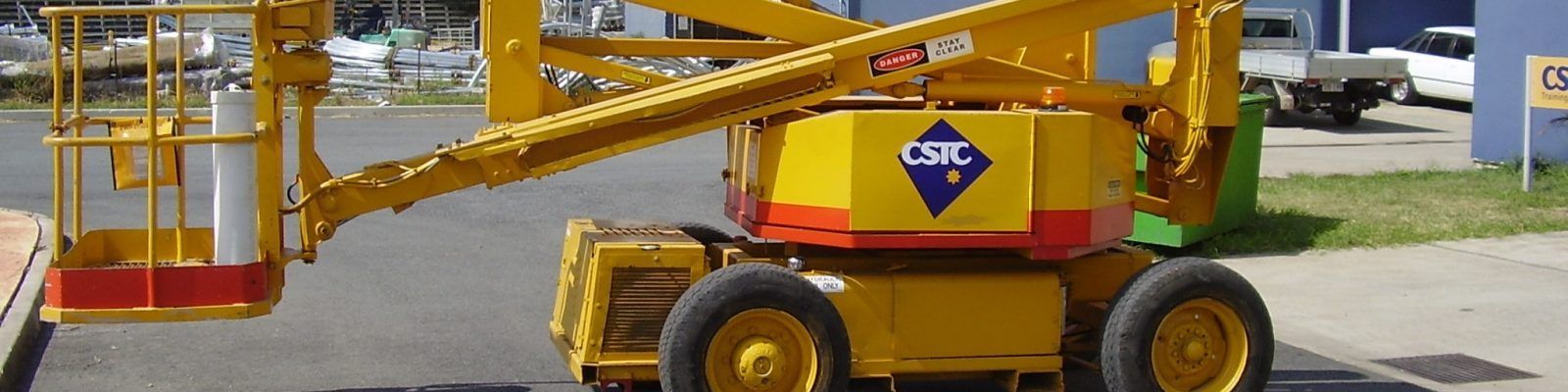
TLID3035 Operate a boom type elevating work platform
This unit involves the skills and knowledge required to operate a boom type elevating work platform less than 11 metres boom length, in accordance with relevant state/territory licence/permit requirements and regulations, in a variety of operational contexts.

TLILIC0003 Licence to operate a forklift truck
This course covers the skills and knowledge required to operate a forklift truck – including planning work, undertaking routine checks, load shifting, and the safe and secure shutdown of equipment after completing operations. A person operating a forklift truck is required to hold a high risk work licence. This course meets the formal training requirements required for a licence, as outlined by Workplace Health and Safety Queensland.

TLILIC0005 Licence to Operate a Boom-Type Elevating Work Platform (Boom Length 11 Metres or More)
This course covers the skills and knowledge required to operate an elevating work platform (telescoping, hinged or articulated device) – including planning work, undertaking routine checks, setting up and operating the elevating work platform, and the safe and secure shutdown of equipment after completing operations.
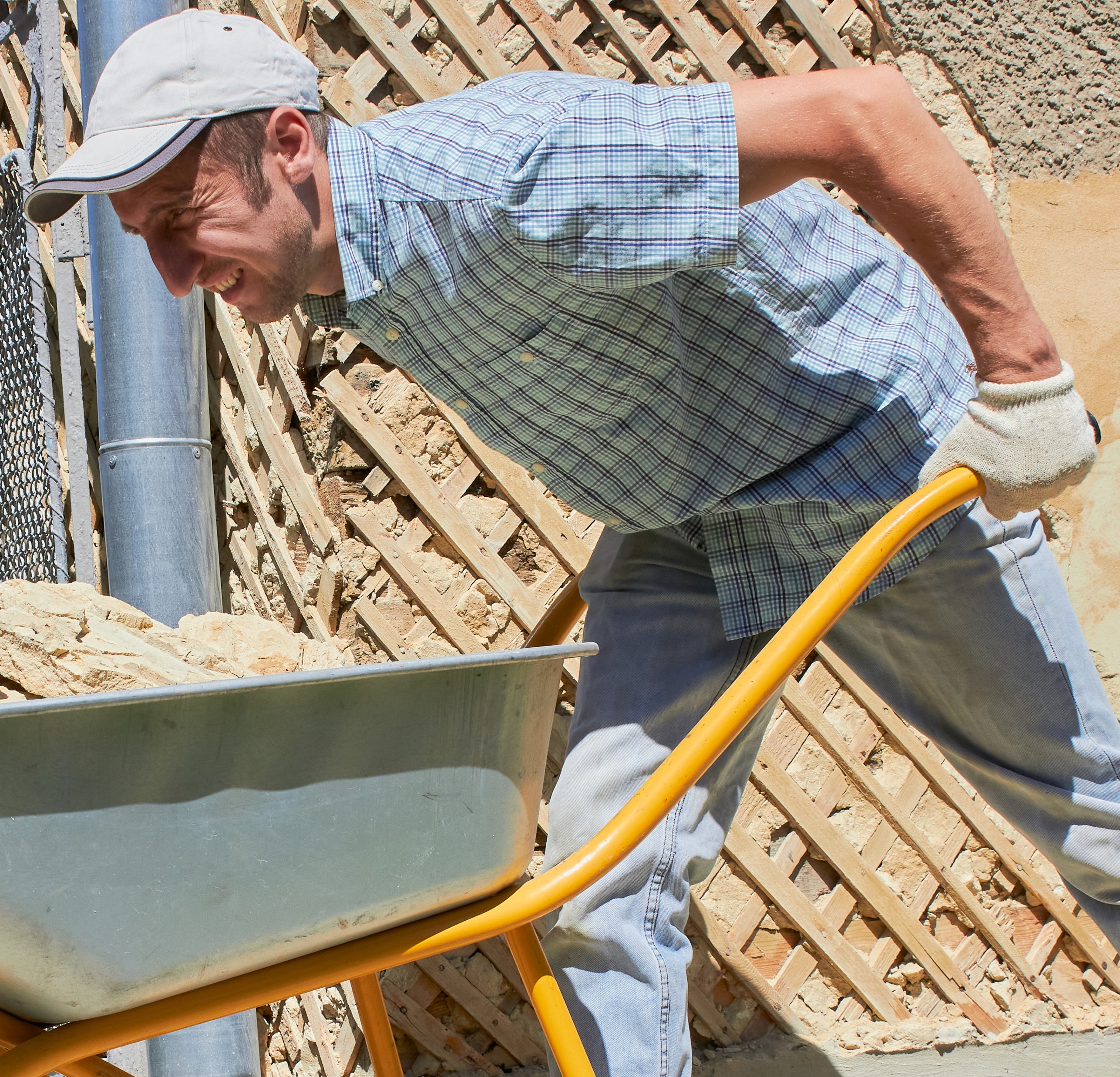
Trade Ready (Central)
This course provides an introduction to the construction industry, providing on-site experience and industry skills.

Trade Ready (Northern)
This course provides an introduction to the construction industry, providing on-site experience and industry skills.
First Aid
First Aid Cluster
This course intends to provide participants with the skills and knowledge necessary to effectively respond to emergency situations by sustaining/restoring breathing and circulation to an adult, child or infant, and providing First Aid.

HLTAID009 Provide cardiopulmonary resuscitation
This unit describes the skills and knowledge required to perform cardiopulmonary resuscitation (CPR) in line with the Australian Resuscitation Council (ARC) guidelines. This unit applies to all persons who may be required to provide CPR, in a range of situations, including community and workplace settings.
Horticulture

AHC10124 Certificate I in Conservation and Ecosystem Management
This qualification provides foundation level skills and knowledge required for initial work, community involvement, or as an introduction to further learning in conservation and ecosystem management.

AHC20422 Certificate II in Horticulture
This qualification describes the skills and knowledge for a range of entry level horticulture job roles. Individuals with this qualification carry out routine tasks under supervision where the work is predictable and structured with limited judgement requirements. The qualification is suited to VET programs delivered to secondary school students or learners with no previous connection to the horticulture industry or relevant employment history. Possible job titles relevant to this qualification include Horticulture worker or Horticulture assistant.

AHC20919 Certificate II in Sports Turf Management
This qualification provides an occupational outcome in green-keeping. The sports turf industry expects this qualification to be achieved to meet job outcomes at this level. This qualification is suitable for an Australian Traineeship. Job roles and titles vary across different industry sectors. Possible job titles relevant to this qualification include: Groundsperson or Assistant Green Keeper.
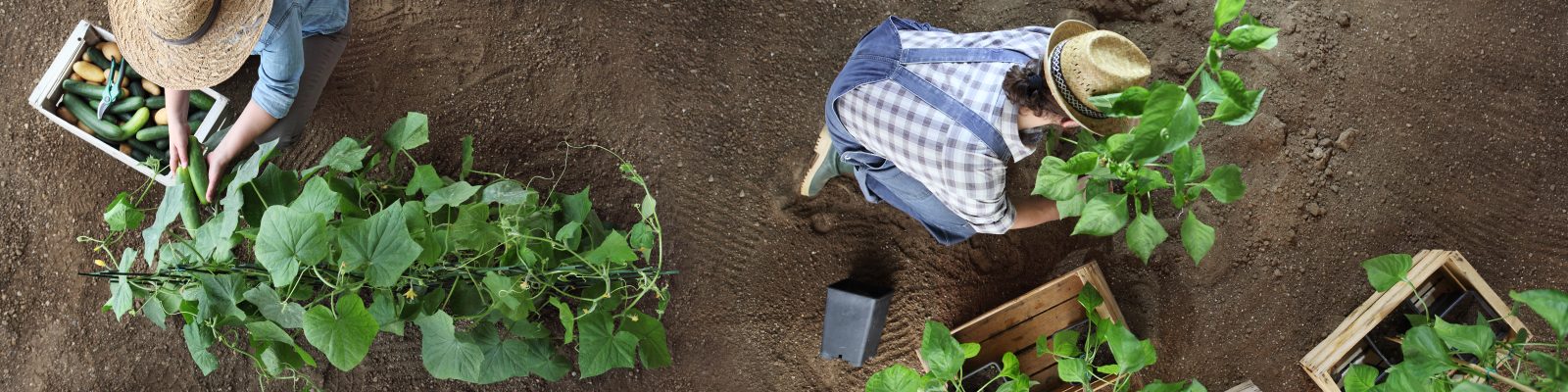
AHC30722 Certificate III in Horticulture
This qualification describes the skills and knowledge for general vocational job roles in the amenity horticulture industry. Possible job titles relevant to this qualification include: Horticulturalist and Gardener.
AHC30921 Certificate III in Landscape Construction
Individuals with this qualification perform tasks under broad supervision involving a broad range of skills that are applied in a wide variety of contexts. Discretion and judgement in selecting and operating equipment, coordinating resources and applying contingency measures during work.

AHC31024 Certificate III in Parks and Gardens
This qualification describes the skills and knowledge for trade level roles in the parks and gardens industry including gardener, greenkeeper and groundsperson.

AHCSS00074 Agricultural Chemical Skill Set
This course covers the skills and knowledge required to transport, handle, store, prepare and apply chemicals – including preparing an application plan, chemical mixes, calibrating application equipment, and applying chemicals.
Other Courses
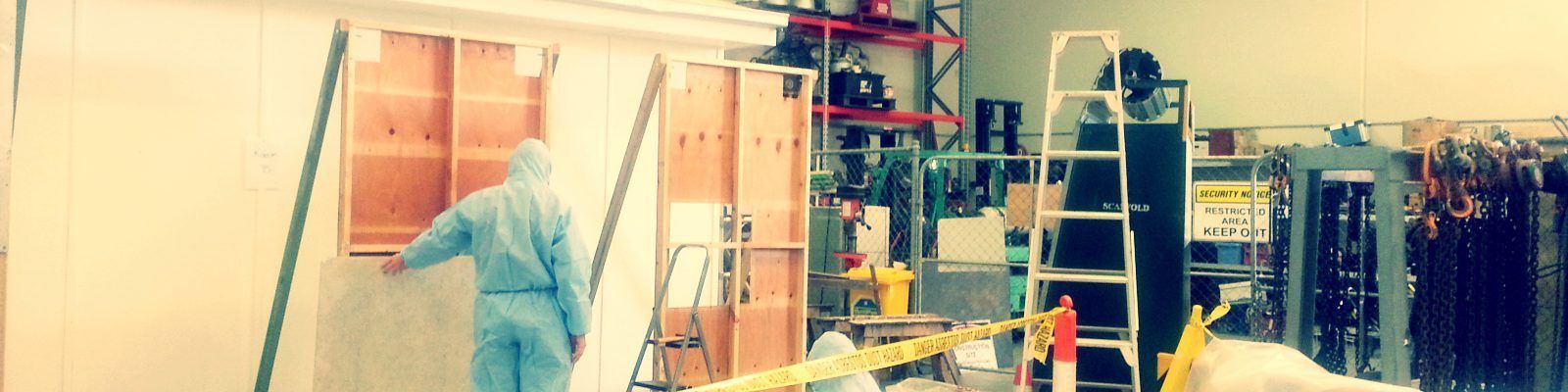
Asbestos Awareness
Asbestos containing materials (ACM) were used in the construction of many Queensland buildings before 1990. Exposure to ACM may result in lung cancer, mesothelioma, asbestosis or plural plaques.

Fire Extinguisher Awareness
It is important for workers to hold the skills and knowledge necessary to effectively respond to emergency fire situations – through the safe use of Fire Extinguishers, Fire Hose Reels and Fire Blankets.

Fire Warden Awareness
Fire wardens implement fire safety arrangements to prevent a fire from endangering the health and safety of workplace occupants. It is important for fire wardens to hold the skills and knowledge necessary to respond to be familiar with their responsibilities as a fire warden – through recognising emergencies, implementing evacuation procedures, communicating in an emergency situation, and complying with site safety requirements.

Health and Safety Representative (Refresher) Training
Health and Safety Representatives (HSRs) assist in the consultation, coordination and cooperation processes. They represent workers and communicate their views up the chain of responsibility, to supervisors and management.

Health and Safety Representative Training
Health and Safety Representatives (HSRs) assist in the consultation, coordination and cooperation processes. They represent workers and communicate their views up the chain of responsibility, to supervisors and management

Psychosocial Hazards Awareness
A psychosocial hazard is a hazard that arises from, or relates to, the design or management of work, a work environment, plant at a workplace, or workplace interactions and behaviours and may cause psychological harm, whether or not the hazard may also cause physical harm.

Silica Awareness
Dust containing respirable crystalline silica (RCS) is generated by high-energy processes in the construction industry (e.g. cutting, drilling, grinding, polishing of silica-containing materials). Inhaling RCS can lead to silicosis, an incurable lung disease that can lead to disability and death. It can also contribute to lung cancer, renal cancer and chronic obstructive pulmonary disease.